Washoe County Warrant Search
This guide explains how arrest and bench warrants are issued and tracked in Washoe County, Nevada, which agencies are involved, and the safe, practical steps someone can take to check for and resolve a warrant.
How Warrants Work in Washoe County
A warrant is a court order that authorizes law enforcement to take a specific action, most commonly to arrest a named person. In Washoe County, Nevada, warrants are issued by a judge or magistrate and then entered into law enforcement databases so that officers throughout the state (and often nationally) can act on them. The Washoe County Sheriff's Office operates the Washoe County Detention Facility in Reno and is the agency that books people who are arrested on warrants in the county.
Because a warrant is a court instrument, the court that issued it — not the jail — controls how it is resolved. Understanding which court and which agency hold your paperwork is the first step to handling a warrant correctly.
Common Types of Warrants
Arrest warrants
An arrest warrant is issued when a judge finds probable cause to believe a person committed a crime. It authorizes officers to take that person into custody. Remember that a warrant or an arrest is not a conviction — it reflects an allegation that has not been proven in court.
Bench warrants
A bench warrant is typically issued by a judge when a person fails to appear for a scheduled court date, misses a required payment, or violates a condition of release or probation. These are very common and can often be resolved by addressing the underlying court matter.
Search warrants
A search warrant authorizes officers to search a specified location or property for evidence. Unlike arrest and bench warrants, search warrants are not something a member of the public would generally check for in advance.
Which Agencies Issue and Track Warrants
Several offices play a role in Washoe County warrants. You may need to contact more than one to find the specific order that concerns you:
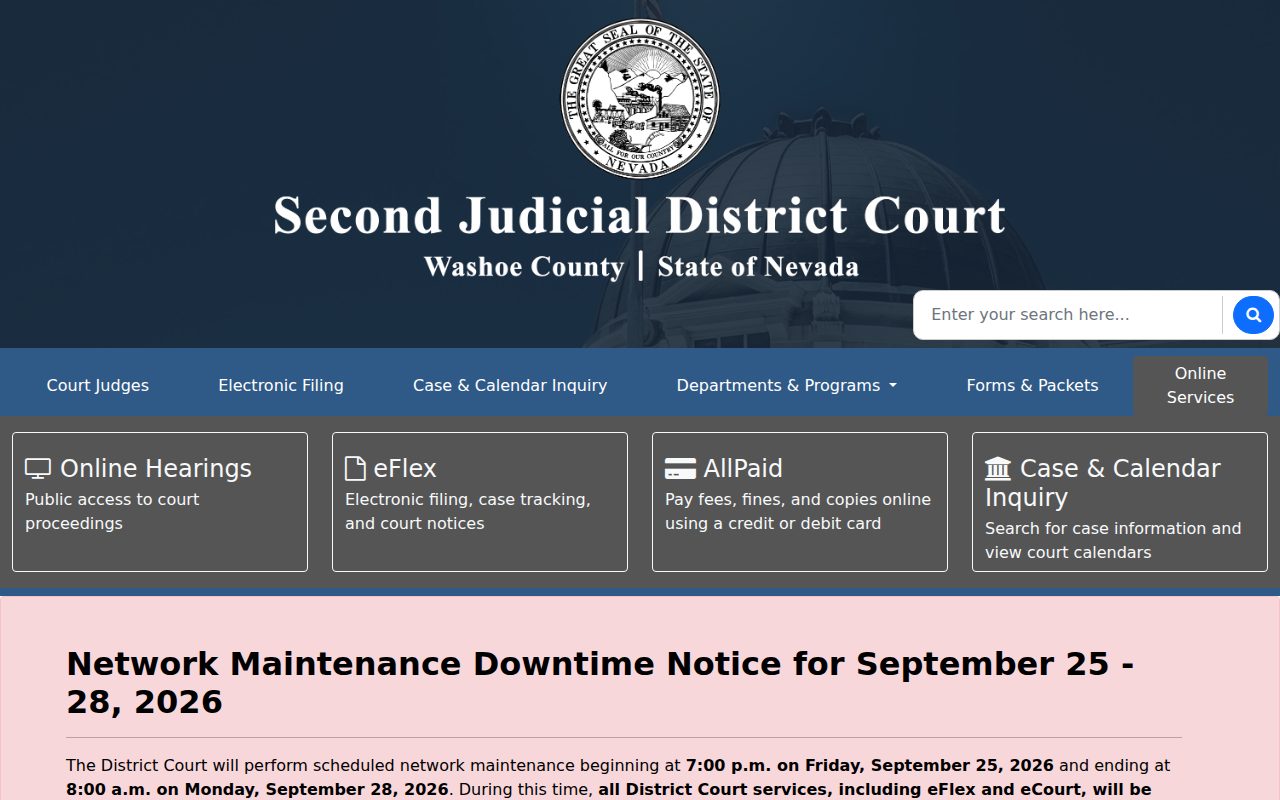
- Second Judicial District Court — the district court serving Washoe County, Nevada, which handles felony and other higher-level cases and may issue related warrants.
- Justice courts and municipal courts — these lower courts handle misdemeanors, traffic matters, and initial proceedings, and frequently issue bench warrants for failures to appear. Confirm with the specific court that set your case which court holds your warrant.
- Washoe County Sheriff's Office — the law enforcement agency that operates the county detention facility in Reno and processes people arrested on warrants.
Because responsibilities are divided among courts and law enforcement, there is no single guaranteed public list that shows every active warrant. Availability of any online warrant information can change, so verify current options directly with the agencies listed above.
How to Check Whether You Have a Warrant
There are several careful ways to find out if a warrant may exist. Because approaches and any online tools can vary, always confirm the current process with the official agency before relying on any single method:
- Contact an attorney first. A defense attorney can often check court and law enforcement records on your behalf and advise you before you take any action that could lead to arrest. This is the safest path and this page is not a substitute for legal advice.
- Contact the court that handled your case. If you believe a warrant relates to a missed court date, ticket, or existing case, reach out to the Second Judicial District Court or the relevant justice or municipal court to ask about the case status.
- Contact the Washoe County Sheriff's Office. The Sheriff's Office can direct you to the appropriate resource for warrant questions in the county.
- Check any official online record tools. If a court or the Sheriff's Office publishes a searchable record or warrant list online, use only the official websites of those agencies. Confirm what, if anything, is published, since not all warrants are posted publicly.
Be cautious with third-party websites that claim to run warrant checks; they are not official and this information should be used for informational purposes only, never for employment, tenant, credit, or insurance decisions.
Safe Steps to Resolve a Warrant
Resolving a warrant usually means addressing it through the court, not ignoring it. Ignoring a warrant does not make it expire and can lead to arrest during a routine traffic stop or other contact with police.
- Consult a licensed attorney to understand your options and possible outcomes before acting.
- Ask about a court appearance or "walk-through." Some courts allow a person to appear voluntarily to address a bench warrant. Confirm whether this is available and how it works for your specific court.
- Ask about bond. If bond is required, the amount and process are set by the court and handled through the facility. Confirm current amounts and procedures with the court or the Washoe County Sheriff's Office — do not rely on unofficial figures.
- Bring identification and any case or citation numbers you have so staff can locate the correct order.
For details on posting bond and related services, see the sibling pages on jail visitation and bail bonds, and confirm all figures and procedures directly with the official agency.
Frequently Asked Questions
Is there a free public list of all Washoe County warrants?
Not necessarily. Some warrant information may be published online by the courts or the Sheriff's Office, but not all warrants are posted publicly. Check the official agency websites and confirm what is currently available.
Does a warrant mean I have been convicted of a crime?
No. A warrant reflects an allegation or a court-ordered action such as a failure to appear. It is not a conviction, and everyone is presumed innocent unless proven guilty in court.
Can I take care of a warrant without going to jail?
Sometimes, depending on the type of warrant and the court's rules. Options such as a voluntary appearance or posting bond may exist. An attorney can advise you, and you should confirm procedures with the issuing court.
Which court issued my warrant?
It depends on your case. Felony matters typically involve the Second Judicial District Court, while misdemeanors, traffic, and municipal matters are handled in justice or municipal courts. Contact the court connected to your case to confirm.
Official & Public Resources
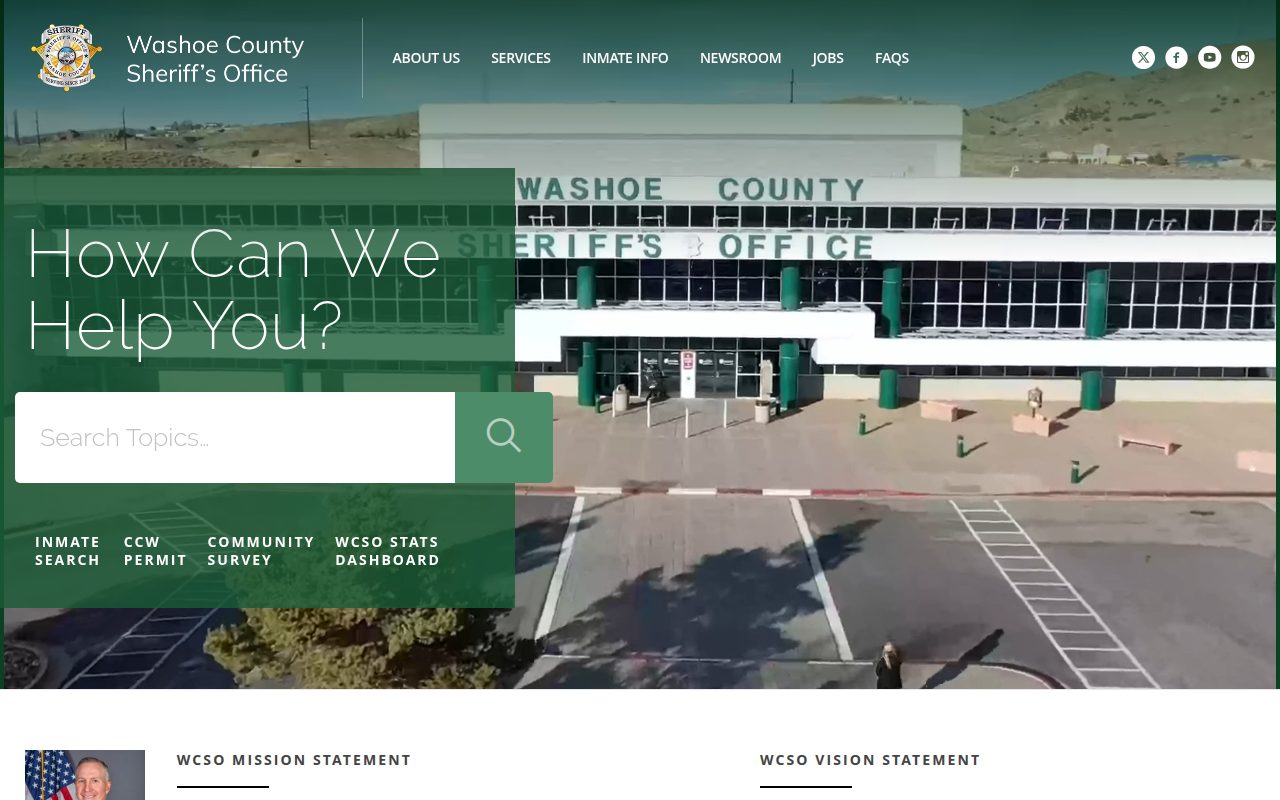
Washoe County Sheriff's Office
Official Sheriff's Office site with warrant and detention information.
https://www.washoesheriff.com/
Second Judicial District Court
Official website for the Second Judicial District Court of Nevada, Washoe County.